The Ultimate Guide to Nail Art: Trends, Techniques, and Inspiration
Explore the vibrant world of nail art with our comprehensive guide. Discover trending designs, expert techniques, seasonal inspiration, and how AI tools like the AI nail design generator are revolutionizing personal style.
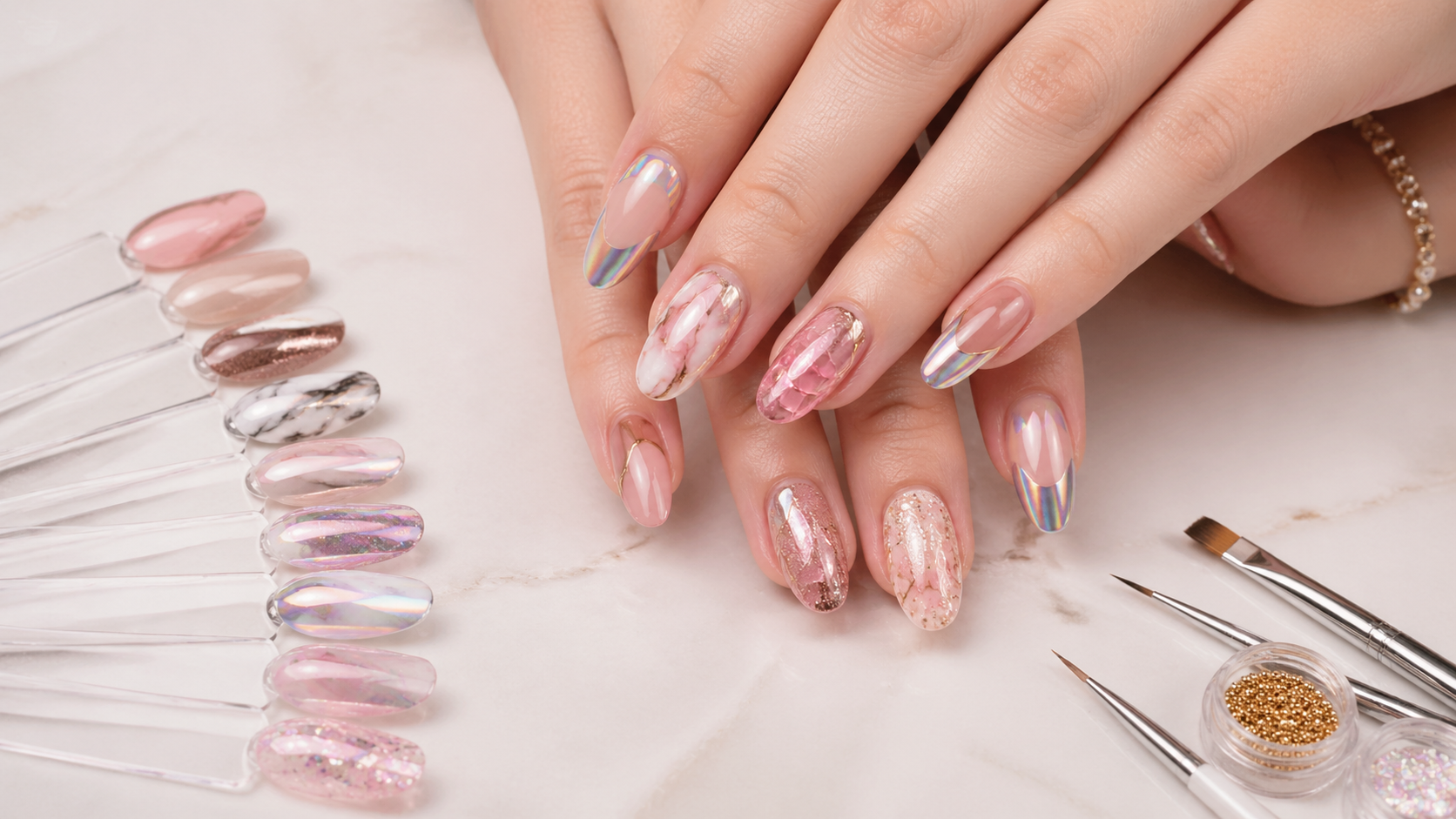
Nail art has evolved from a simple act of painting nails into a full-fledged form of self-expression, fashion statement, and even digital creativity. What once began as basic polish applications has transformed into an intricate craft involving glitter, gems, hand-painted motifs, airbrushing, stamping, and now—artificial intelligence. Today, nail art is more than just decoration; it's a canvas for identity, mood, and seasonal flair.
In this in-depth guide, we’ll explore everything you need to know about nail art, from its historical roots and evolving styles to modern tools that make creating stunning designs easier than ever. Whether you're a beginner looking to experiment or a seasoned enthusiast chasing the latest trends, this article will serve as your ultimate resource.
The Evolution of Nail Art: From Ancient Times to Modern Manicures
Early Beginnings: Beauty in Antiquity
The practice of decorating nails dates back thousands of years. In ancient Babylon, warriors stained their nails with kohl to signify rank and status. Similarly, in ancient Egypt around 3000 BCE, both men and women used henna dyes to color their nails, often choosing red hues associated with power and vitality. Cleopatra famously wore bold red nails, symbolizing her royal authority.
In China during the Ming Dynasty (1368–1644), nail guards made of gold and silver were worn by aristocrats, while colored varnishes made from beeswax, egg whites, and vegetable dyes were applied to nails—marking one of the earliest forms of nail art.
The 20th Century: Birth of Modern Manicures
Fast forward to the early 1900s, when mass-produced nail polishes began appearing on the market. In 1917, French actress Pola Negri popularized the “moon manicure,” where only the base and tip of the nail were painted, leaving the center bare—a precursor to today’s minimalist styles.
The real breakthrough came in 1925 when Charles Revson, founder of Revlon, developed a liquid nail enamel using pigments instead of dyes. This innovation allowed for opaque, vibrant colors and laid the foundation for modern nail art.
By the 1970s, acrylic nails emerged, giving rise to sculpted shapes and longer wear times. Then came the 1980s and 1990s, when celebrities like Madonna and Princess Diana brought French tips into mainstream fashion, solidifying them as a classic nail art staple.
The Digital Age: Social Media and the Rise of Nail Creativity
With the advent of Instagram, Pinterest, TikTok, and YouTube, nail art exploded into a global phenomenon. Artists could now share their creations instantly, inspiring millions worldwide. Hashtags like #nailart, #manicuremonday, and #acrylicnails became viral sensations, turning everyday enthusiasts into influencers.
Today, platforms like Nail Designs Maker allow users not only to view but also to create and simulate custom designs using AI technology—an evolution that was unimaginable just two decades ago.
Why Nail Art Matters: More Than Just Pretty Fingertips
Self-Expression Through Color and Design
One of the most powerful aspects of nail art is its ability to reflect personality. A neon geometric pattern might signal confidence and boldness, while soft pastel florals can convey gentleness and elegance. For many, changing nail designs weekly—or even daily—is a way to match moods, outfits, or events.
Psychologists have noted that small acts of personal grooming, such as doing one’s nails, can boost self-esteem and provide a sense of control over one’s appearance. In this context, nail art becomes therapeutic—a creative outlet accessible to anyone with a brush and some polish.
Cultural Significance and Identity
Across cultures, nail art holds symbolic meaning. In parts of South Asia, brides often wear elaborate mehndi-inspired nail designs during weddings. In Japan, kawaii (cute) culture influences playful, cartoonish nail styles featuring characters like Hello Kitty or Sanrio friends.
Moreover, LGBTQ+ communities frequently use nail art to express pride, solidarity, and individuality. Rainbow-themed nails, glitter gradients, and gender-neutral color palettes are common ways to celebrate identity and inclusivity.
Professionalism Meets Personal Style
While some workplaces still enforce conservative grooming standards, many modern offices embrace creative expression—including nail art. Shorter, well-groomed nails with subtle designs (like tiny dots, minimalist lines, or metallic accents) strike a balance between professionalism and personal flair.
Interestingly, studies show that people who invest time in their appearance often report higher job satisfaction and perceived competence. So yes—your next promotion might be influenced by those perfectly painted French tips!
Trending Nail Art Styles
Several nail art trends are dominating salons and social media feeds alike. Let’s dive into the most sought-after styles of the year.
1. Glass Nails: Transparent Elegance
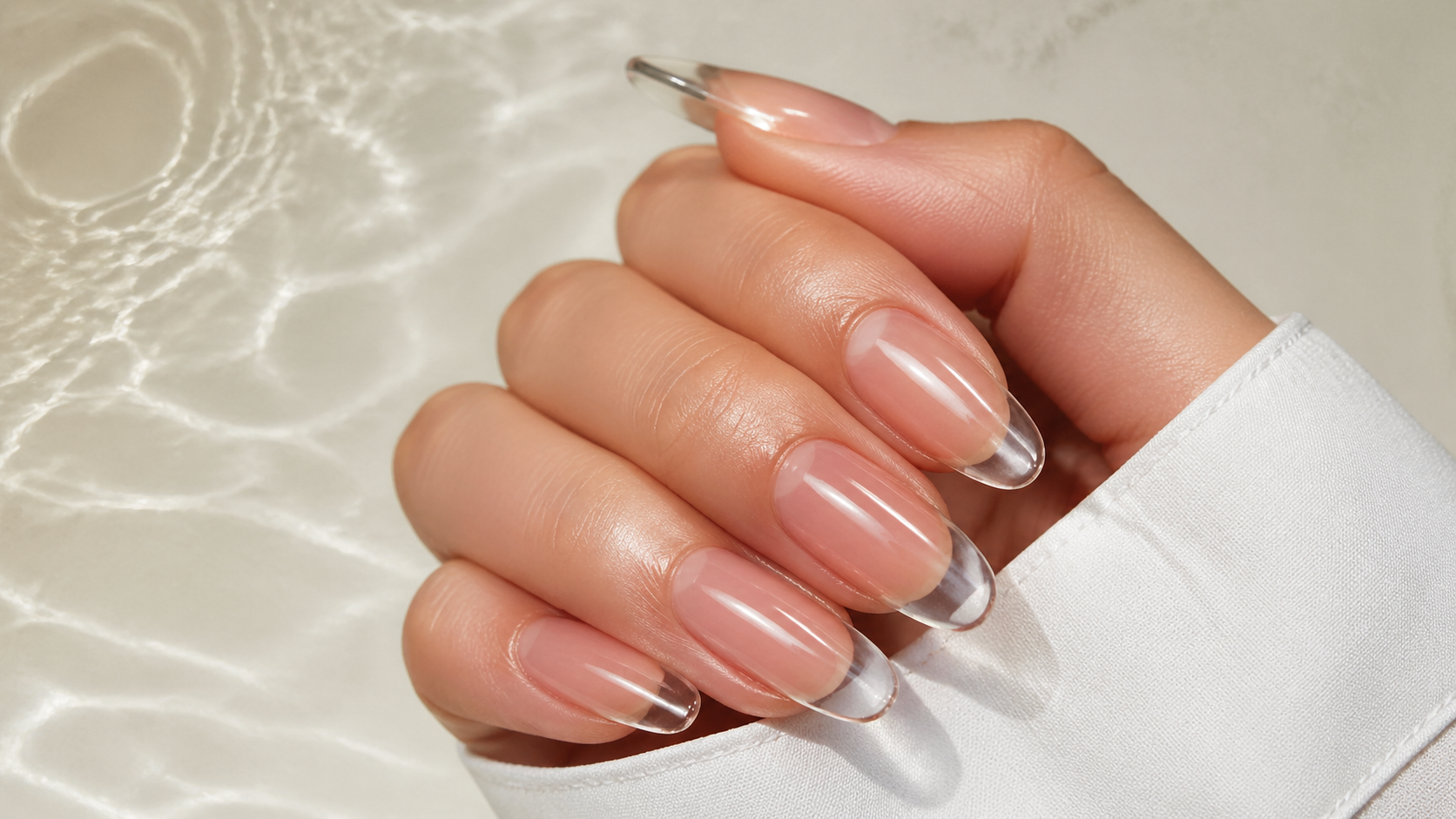
Glass nails mimic the look of translucent, frosted glass with a smooth, glossy finish. Using sheer pinks, whites, and lavenders layered under a high-shine top coat, this trend creates a clean, futuristic aesthetic. Often paired with chrome powders or ultra-fine glitter, glass nails offer sophistication without being overly flashy.
Perfect for bridal parties and formal events, they’re especially flattering on shorter nail beds, making them ideal for those seeking elegant short nail designs.
2. Jelly Glaze: The See-Through Pop
Jelly glaze involves applying multiple thin layers of semi-transparent, brightly colored polish to achieve a juicy, gelatinous effect. Colors like electric blue, cherry red, and lime green give off a fun, youthful vibe.
This style works best with LED-cured gel systems, ensuring durability and depth. It’s particularly popular among Gen Z and millennial clients who love bold statements without heavy embellishments.
3. Negative Space Designs: Less Is More
Negative space nail art uses unpainted areas of the nail as part of the design. Think half-moon cutouts, diagonal splits, or abstract line work that frames the natural nail.
These designs feel modern and artistic, appealing to lovers of minimalism. They’re also forgiving for beginners since precision isn’t always required—sometimes imperfection adds charm.
4. 3D Embellishments: Texture Takes Center Stage
From micro-pearls and rhinestones to sculpted flowers and holographic flakes, 3D nail art continues to captivate. Artists are pushing boundaries with materials like silicone molds, wire detailing, and even embedded LED lights.
Though these designs require professional application, DIY kits are becoming increasingly available, allowing at-home creators to experiment safely.
5. AI-Generated Nail Art: The Future Is Here
Perhaps the most revolutionary trend is the integration of artificial intelligence into nail art creation. Tools like the AI nail design generator enable users to input preferences—color palette, occasion, season—and receive photorealistic mockups of potential designs.
Imagine typing “romantic spring wedding nails with floral accents” and getting five unique visual options within seconds. These AI-powered tools are not replacing artists but empowering them with new sources of inspiration and efficiency.
Seasonal Nail Art Inspirations
Spring: Blooms, Pastels, and Soft Gradients
Spring sees a resurgence of botanical themes. Delicate cherry blossoms, daisies, and vines painted across almond-shaped nails bring nature indoors. Watercolor techniques using pinks, lilacs, mint greens, and baby blues dominate this season.
Ombre fades from light to dark are especially popular, mimicking sunrise skies. Some designers incorporate UV-reactive polishes that change color in sunlight—perfect for outdoor festivals and garden parties.
For those seeking ready-made ideas, browsing a curated nail art gallery can spark fresh concepts tailored to seasonal shifts.
Summer: Bright Hues, Tropical Vibes, and Glow Effects
Summer brings explosive energy to nail art. Neon yellows, hot pinks, ocean blues, and coral oranges define the palette. Pineapple prints, palm trees, flamingos, and sunsets adorn nails in playful sticker or freehand formats.
A standout trend this summer is glow-in-the-dark elements. Certain gels and polishes absorb light and emit a soft luminescence at night—ideal for beach clubs, concerts, and rooftop gatherings.
If you're planning vacation-ready looks, check out our detailed post on summer nail trends, which breaks down the top ten designs dominating resort destinations.
Fall: Rich Tones, Metallic Accents, and Moody Florals
As temperatures drop, so do the color tones. Deep burgundies, forest greens, mustard yellows, and burnt oranges take center stage. Matte finishes contrast beautifully with shiny metallic foils, creating textured, dimensional effects.
Fall also welcomes darker floral patterns—think black roses, dried lavender sprigs, and gothic ivy wraps. These moody aesthetics pair well with leather jackets and cozy sweaters.
Marbleized swirls using alcohol ink techniques are another favorite, offering a painterly touch that feels luxurious yet effortless.
Winter: Frost, Glitter, and Holiday Magic
Winter embraces opulence. Snowflake stencils, silver glitter dips, and holographic chrome caps evoke icy wonderlands. Red and green remain holiday classics, but jewel-toned combinations—emerald with gold leaf, navy with copper dust—are gaining popularity.
Some salons now offer "interactive" winter nails with thermochromic polish that changes color based on temperature. Watch your nails shift from deep purple to bright pink as you step outside into the cold!
Holiday-themed press-ons and magnetic kits also see a surge in sales, catering to last-minute partygoers who want instant glamor.
How to Create Your Own Nail Art: A Step-by-Step Guide
Creating beautiful nail art doesn’t require professional training—just patience, practice, and the right tools. Follow this beginner-friendly process to get started.
Step 1: Prep Your Nails
Start with clean, dry nails. Remove any old polish with acetone-free remover to preserve natural oils. Gently push back cuticles using a wooden stick or metal pusher. Lightly buff the surface to remove ridges and help polish adhere better.
Avoid over-buffing, which can weaken the nail plate.
Step 2: Apply Base Coat
Always begin with a base coat. It protects your nails from staining, prevents chipping, and provides a smooth foundation for color. Allow it to dry completely before moving on.
Recommended types:
- Strengthening base coats (for weak or peeling nails)
- Ridge-filling formulas (for uneven surfaces)
Step 3: Choose Your Colors and Design
Decide whether you want a solid color, gradient, or patterned look. Use tape, stickers, or guides for clean edges. For complex designs, sketch lightly with a pencil first (on paper, not your nail!).
Consider using an online tool like the generate nail art feature to preview your idea digitally before committing.
Step 4: Paint with Precision
Use thin brushes for detailed work. Dip sparingly into polish to avoid clumping. Work one nail at a time if doing freehand art.
Popular beginner techniques:
- Dotting: Use a bobby pin or dotting tool to create polka dots, flowers, or constellations.
- Striping: Thin striping brushes allow for straight lines, chevrons, or zigzags.
- Stamping: Nail stamping kits transfer pre-designed images onto nails with ease.
Step 5: Seal with Top Coat
Finish with a high-quality top coat. This locks in color, adds shine, and extends wear time. For extra durability, cure under a UV/LED lamp if using gel products.
Reapply top coat every few days to prevent chipping.
Step 6: Maintain and Moisturize
Aftercare is crucial. Wear gloves when cleaning or gardening. Apply cuticle oil daily to keep skin hydrated. Avoid using nails as tools (e.g., opening bottles).
With proper care, your nail art can last up to two weeks—even longer with gel extensions.
Tools of the Trade: Essential Supplies for Nail Art Success
To elevate your nail art game, invest in quality tools. Here’s what you’ll need:
| Tool | Purpose |
|---|---|
| Nail file and buffer | Shape and smooth nails |
| Cuticle pusher/oil | Maintain healthy cuticles |
| Base and top coat | Protect and seal polish |
| Detail brushes (round, liner, flat) | Precision painting |
| Dotting tools | Create dots, flowers, textures |
| Striping tape/stickers | Clean geometric lines |
| Nail stamping kit | Transfer intricate designs |
| Sponge applicator | Blend gradients and ombres |
| UV/LED lamp | Cure gel polish |
Optional upgrades:
- Airbrush system for seamless fades
- Magnetic wands for cat-eye effects
- Water decals for instant patterns
Storage boxes or rotating stands help organize supplies and prolong brush life.
Caring for Different Nail Types: Tips for Every Length and Shape
Not all nails are created equal. Tailoring your nail art approach to your natural shape ensures comfort and longevity.
Short Nails: Stylish and Practical
Short nails are practical for daily tasks and surprisingly versatile for nail art. Opt for vertical lines, small florals, or minimalist French tips to elongate the appearance.
Round or squoval (square-rounded) shapes suit most hand types. Avoid large embellishments that may snag.
For inspiration, explore dedicated posts on short nail designs, including how to achieve chic French tips for short nails.
Long Nails: Canvas for Creativity
Long nails—especially stiletto, coffin, or almond shapes—offer ample space for detailed artwork. Ideal for 3D elements, negative space designs, and wrap-around patterns.
However, they require more maintenance. Be cautious with typing, cooking, or lifting objects to prevent breakage.
Natural vs. Artificial Nails
Natural nails benefit from strengthening treatments and breathable polishes. Acrylics, gels, and dip powders offer durability and length but should be removed professionally to avoid damage.
Never peel off artificial coatings—soak them gently instead.
The Role of Technology in Modern Nail Art
Technology is reshaping how we think about nail art, blending tradition with innovation.
AI-Powered Design Generators
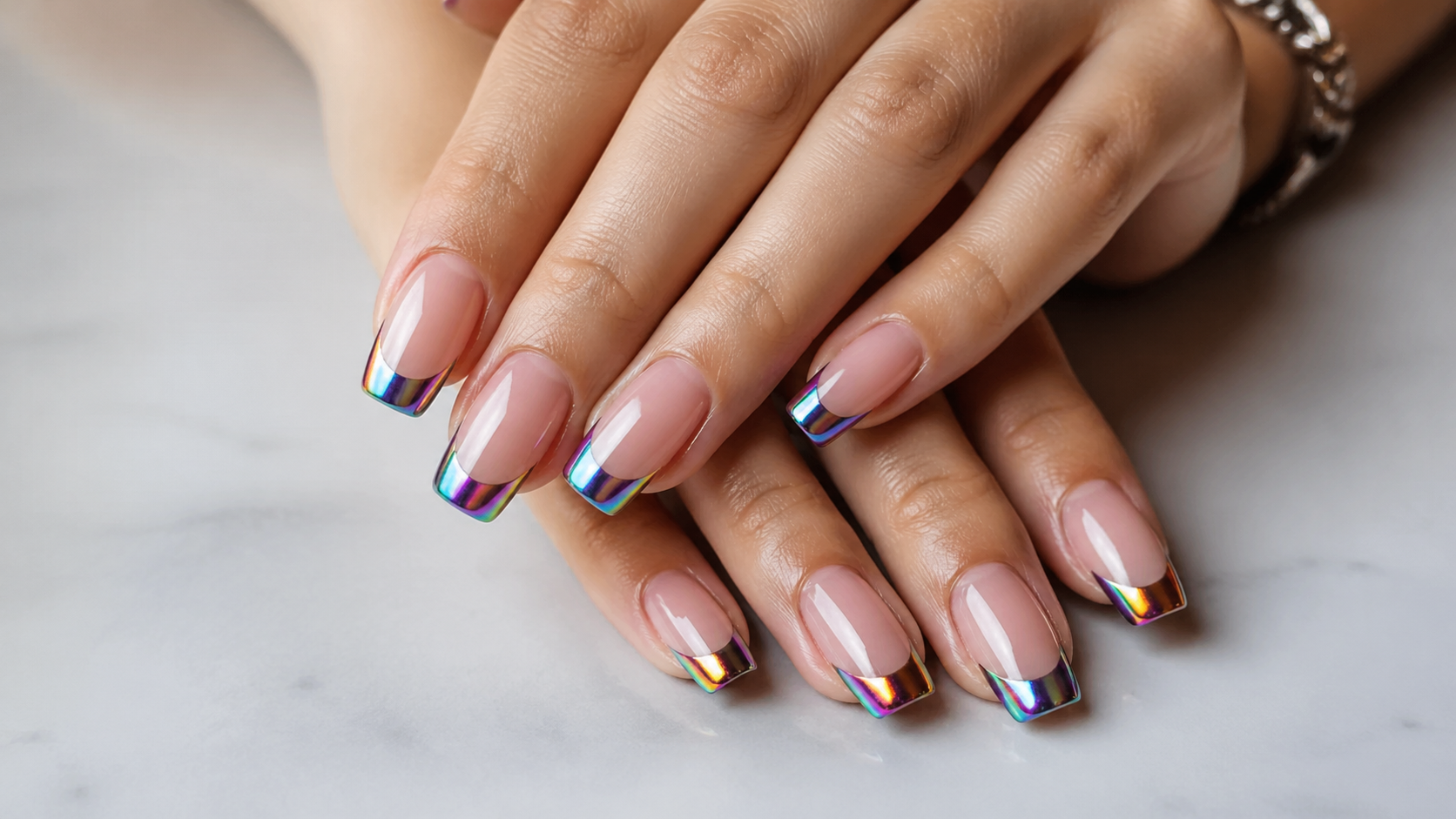
Artificial intelligence is no longer science fiction—it’s in your nail salon. Platforms like Nail Designs Maker use machine learning algorithms to analyze vast databases of existing designs and generate original concepts based on user inputs.
You can specify:
- Mood (e.g., romantic, edgy, playful)
- Occasion (wedding, festival, office)
- Color preferences
- Nail length and shape
Within moments, you receive hyper-realistic previews of how each design would look on your hands. This not only saves time but reduces decision fatigue.
Such tools are especially helpful for:
- Bridal consultations
- Seasonal collections
- Social media content planning
They also support accessibility, allowing people with limited mobility or vision to participate creatively.
Augmented Reality (AR) Try-Ons
Leading beauty brands now integrate AR into mobile apps, letting users "try on" different nail art styles via smartphone cameras. L’Oréal’s ModiFace and Sally Hansen’s Virtual Shade Finder are prime examples.
These technologies enhance online shopping experiences and reduce returns due to mismatched expectations.
Smart Nail Polish
Still in development, smart polishes respond to environmental stimuli. Examples include:
- Thermochromic: Changes color with temperature
- Photochromic: Reacts to UV light
- Electrochromic: Shifts hue with electrical current (experimental)
While not yet mainstream, these innovations hint at a future where nail art is dynamic and interactive.
Sustainability in Nail Art: Eco-Friendly Practices
As awareness grows about environmental impact, the beauty industry—including nail art—is shifting toward sustainability.
Non-Toxic Formulas
Traditional nail polishes often contain harmful chemicals like formaldehyde, toluene, DBP (dibutyl phthalate), and camphor. Known collectively as the “toxic trio” (or quartet), these ingredients have been linked to respiratory issues and hormonal disruption.
Eco-conscious brands now offer “10-free” or “15-free” labels, meaning they exclude numerous hazardous substances. Look for water-based or plant-derived alternatives.
Recommended eco-friendly brands:
- Zoya
- Pacifica
- Olive & June
- Butter London
Biodegradable Glitters
Conventional glitter contains microplastics that pollute oceans and harm marine life. Biodegradable glitter made from cellulose film derived from eucalyptus trees dissolves safely in compost.
When shopping for sparkle, ensure the product specifies “compostable” or “marine-safe.”
Reusable Tools and Packaging
Switch to reusable nail wraps, stainless steel files, and refillable polish bottles. Support brands that use recyclable cardboard packaging and minimal plastic.
Salons can adopt practices like:
- Sterilizing metal tools instead of disposable ones
- Offering take-back programs for empty bottles
- Using energy-efficient LED lamps
Every small choice contributes to a greener planet.
Common Mistakes to Avoid in Nail Art
Even experienced artists make errors. Here are frequent pitfalls and how to avoid them:
1. Skipping the Base Coat
Without protection, pigmented polishes can permanently stain nails yellow. Always apply a base coat—even with light colors.
2. Applying Thick Layers
Thick coats lead to bubbling, wrinkling, and extended drying times. Instead, use two or three thin layers, allowing each to dry slightly between applications.
3. Rushing the Drying Process
Blowing on nails or waving hands accelerates air exposure but doesn’t speed up chemical curing. Worse, moisture from breath can cause cloudiness.
Use quick-dry drops or dip nails in cold water for faster setting.
4. Ignoring Nail Health
Overuse of gels, acrylics, or harsh removers weakens natural nails. Take breaks between enhancements and moisturize regularly.
5. Copying Complex Designs Without Practice
Attempting advanced techniques like hand-painting tigers or reverse stamping without prior experience leads to frustration. Start simple and build skills gradually.
Where to Find Inspiration for Nail Art
Creativity thrives on inspiration. Here are reliable sources to fuel your next nail art project:
Online Galleries and Blogs
Websites like Pinterest and Instagram are treasure troves of nail art visuals. Search terms like “minimalist nail art,” “bridal nail ideas,” or “fall nail trends” yield endless results.
For structured inspiration, visit a dedicated nail art blog that curates seasonal roundups, tutorials, and expert interviews.
Fashion Runways and Art Exhibits
High fashion often dictates beauty trends. Pay attention to nail details during New York, Paris, or Milan Fashion Weeks. Designers like Alexander McQueen, Comme des Garçons, and Marine Serre have showcased avant-garde nail installations.
Museum exhibits on surrealism, pop art, or textile design can also inspire unexpected color pairings and textures.
Nature and Everyday Life
Look around you. The iridescence of a butterfly wing, the bark of a tree, or the reflection of city lights on wet pavement—all can translate into stunning nail art motifs.
Keep a sketchbook or photo album of interesting patterns you encounter.
Conclusion: Embrace the Artistry of Your Hands
Nail art is far more than cosmetic enhancement—it’s a celebration of individuality, craftsmanship, and cultural expression. From ancient rituals to AI-driven design, the journey of decorated nails reflects humanity’s enduring desire to beautify and communicate through the body.
Whether you prefer understated elegance or dazzling extravagance, there’s a nail art style waiting for you. With the right tools, knowledge, and a dash of courage, you can transform your fingertips into miniature masterpieces.
So go ahead—paint, stamp, glitter, and innovate. Explore galleries, try new generators, and let your imagination run wild. After all, in the world of nail art, every finger tells a story.
Make it yours before your appointment
You have the ideas. Now get a version that fits your nail shape, length and skin tone — plus a clean reference to show your nail artist.
1 free credit daily · credits from packs never expire
More French Nails ideasRelated nail design categories
Continue from this article into prompt presets and hand photo try-on templates.
Related Posts
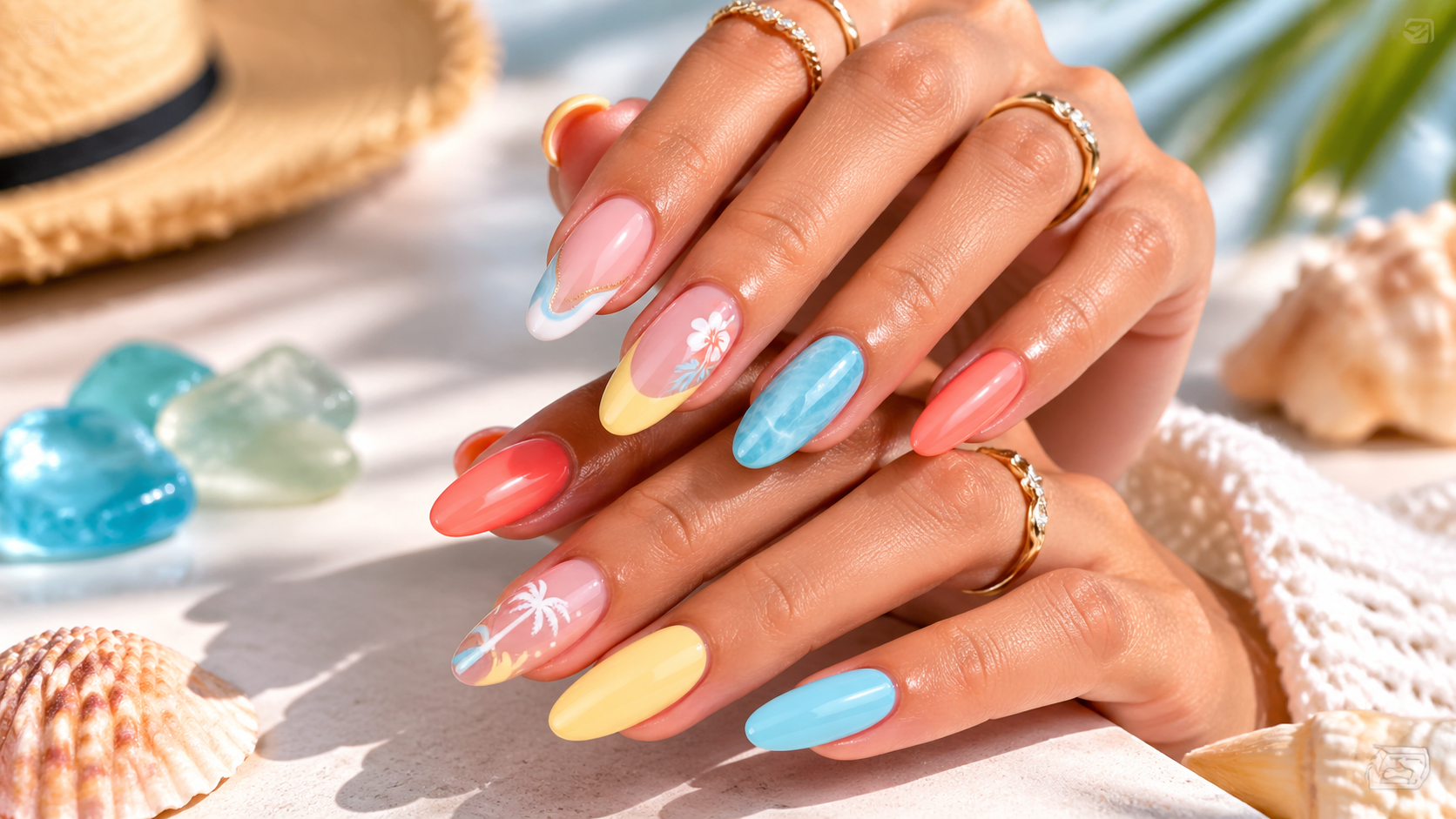
Summer Nail Designs 2026: Bright, Beachy, and Trend-Forward Ideas
The best summer manicures for 2026 feel sunny, glossy, and wearable. Think coral, butter yellow, sea-glass blue, sheer pink, and tiny chrome or shell-inspired details that still look clean.
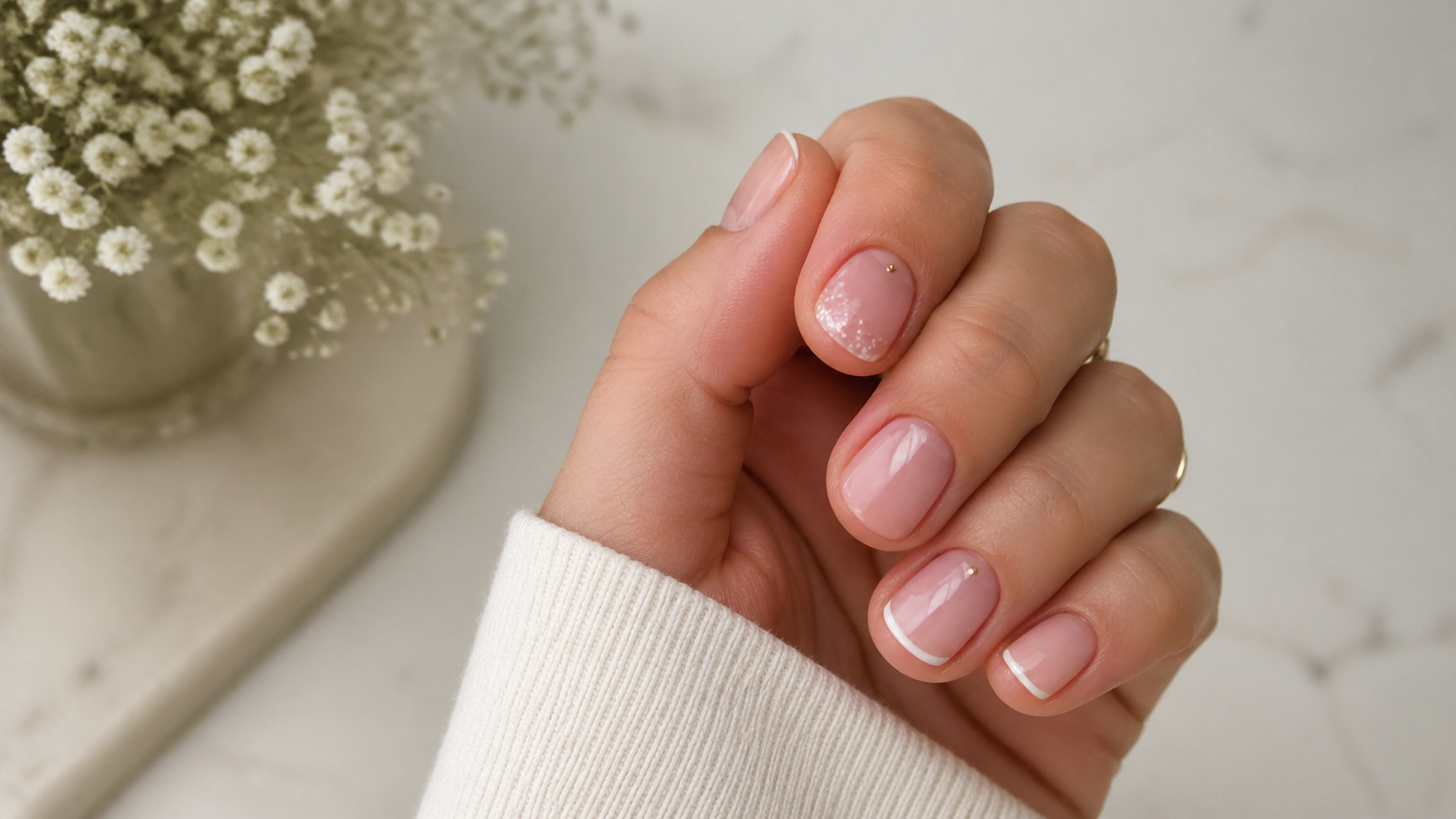
Best Nail Designs for Very Short Nails That Still Look Elegant
The best nail designs for very short nails do not fight the length you have. They use soft color, clean shine, and tiny details to make very short nails look polished, balanced, and beautifully intentional.
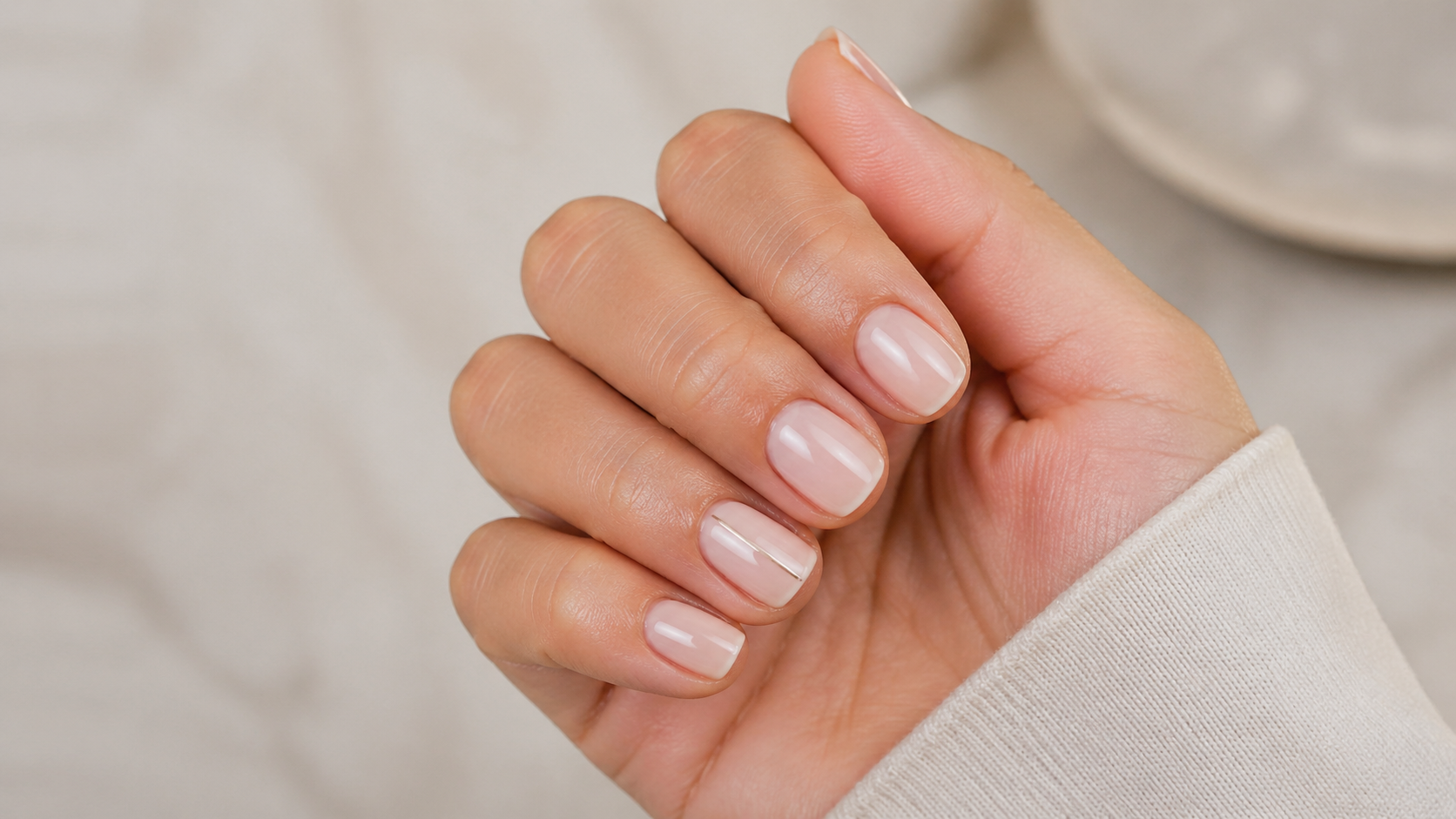
How to Make Short Nails Look Longer with Shape and Color
If your nails are naturally short, the right shape, nude tone, finish, and placement details can change the whole effect. This guide shows how to make short nails look longer without fake-looking extensions or overcomplicated nail art.