Elegant and Timeless: Exploring French Nail Designs for Every Occasion
Discover the evolution, variations, and modern twists of french nail designs. From classic tips to bold artistic interpretations, learn how to master this iconic style with inspiration and expert tips.
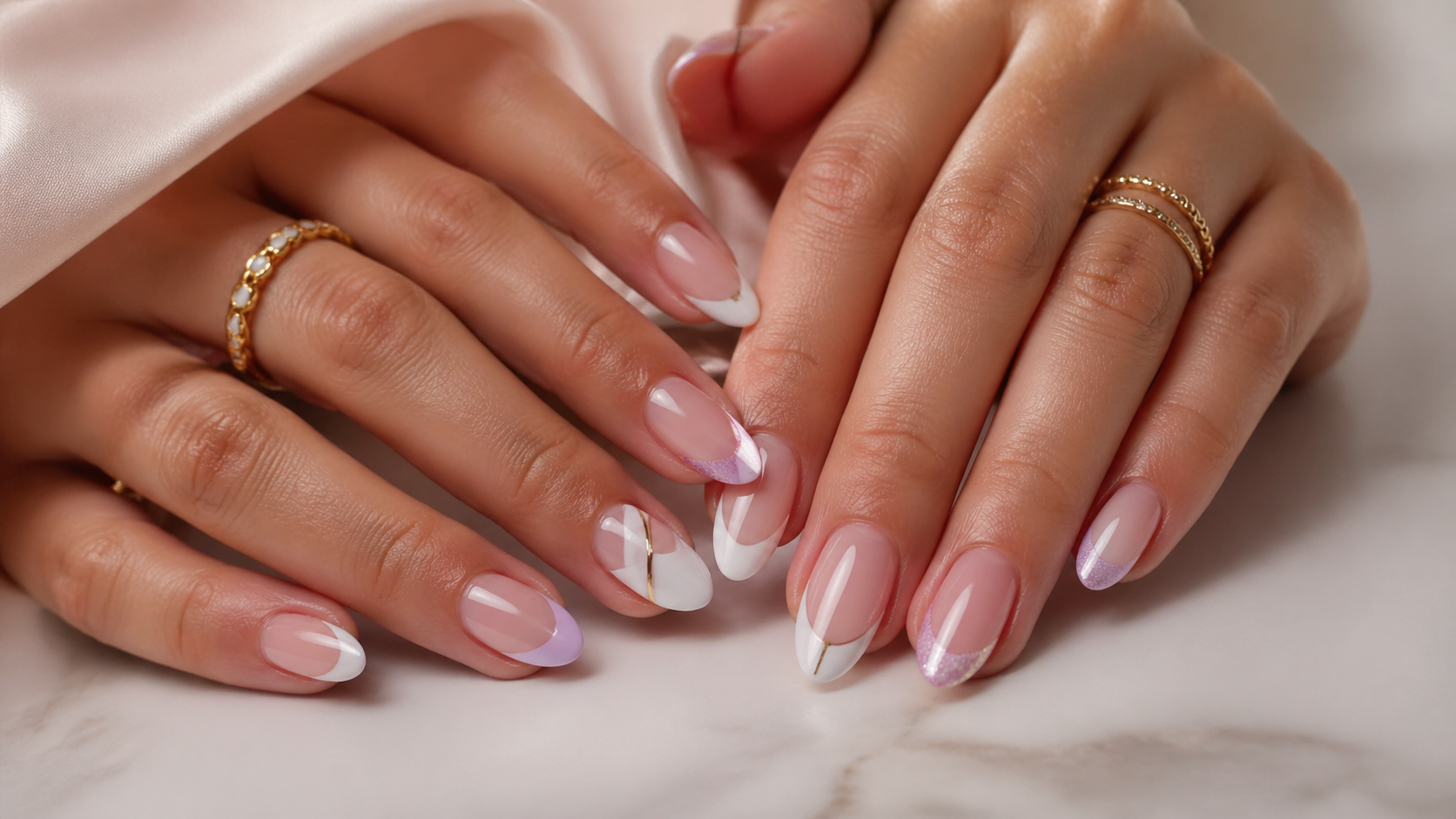
When it comes to classic beauty, few styles stand the test of time like french nail designs. Synonymous with elegance, sophistication, and understated glamour, the traditional French manicure has been a staple in salons and fashion circles for decades. But today’s interpretation of french nail art goes far beyond the simple pink base and white tip—modern creativity has transformed this timeless look into a versatile canvas for self-expression.
Whether you're preparing for a wedding, heading to the office, or simply want a polished everyday look, french nail design offers endless possibilities. In this guide, we’ll explore the history, evolution, trending variations, and styling tips to help you embrace the enduring charm of French nails.
The Origins of French Nail Design
Contrary to popular belief, the french nail design did not originate in France. The style was actually created in the United States during the 1970s by Hollywood nail technician Jeff Pink, founder of ORLY. Seeking a natural-looking manicure that would complement on-screen performances, Pink developed the French manicure as a way to enhance the nail bed while maintaining a clean, professional appearance.
The original concept featured a pale pink or nude base coat with crisp white tips, mimicking the natural crescent of the nail's lunula and creating an elongated, well-groomed effect. This minimalist approach quickly gained popularity among celebrities and eventually became a global phenomenon.
Over time, the term “French” became associated with the style, giving rise to what we now know as french nail designs—a symbol of refinement across cultures and generations.
Why French Nail Art Remains a Classic
Despite ever-changing trends in fashion and beauty, french nail art continues to dominate manicure menus worldwide. Its staying power lies in its versatility and universal appeal:
- Professional Elegance: Ideal for corporate environments where flashy colors may be discouraged.
- Bridal Beauty: A go-to choice for brides seeking a soft, romantic look.
- Everyday Wearability: Complements any outfit, skin tone, or occasion.
- Nail Enhancement: Visually lengthens shorter nails and accentuates nail shape.
Moreover, advancements in gel polishes, dip powders, and acrylic techniques have made modern French manicures more durable and customizable than ever before.
Modern Variations of French Nail Designs
While the classic French manicure remains beloved, contemporary artists are redefining french nail design with bold innovations. Here are some of the most popular modern twists:
1. Reverse French (Half-Moon Manicure)
Instead of painting the tip, the reverse French focuses on the cuticle area. A contrasting color is applied to the base of the nail, creating a stylish half-moon effect. This variation adds subtle flair without overwhelming the overall look.
2. Colored Tips
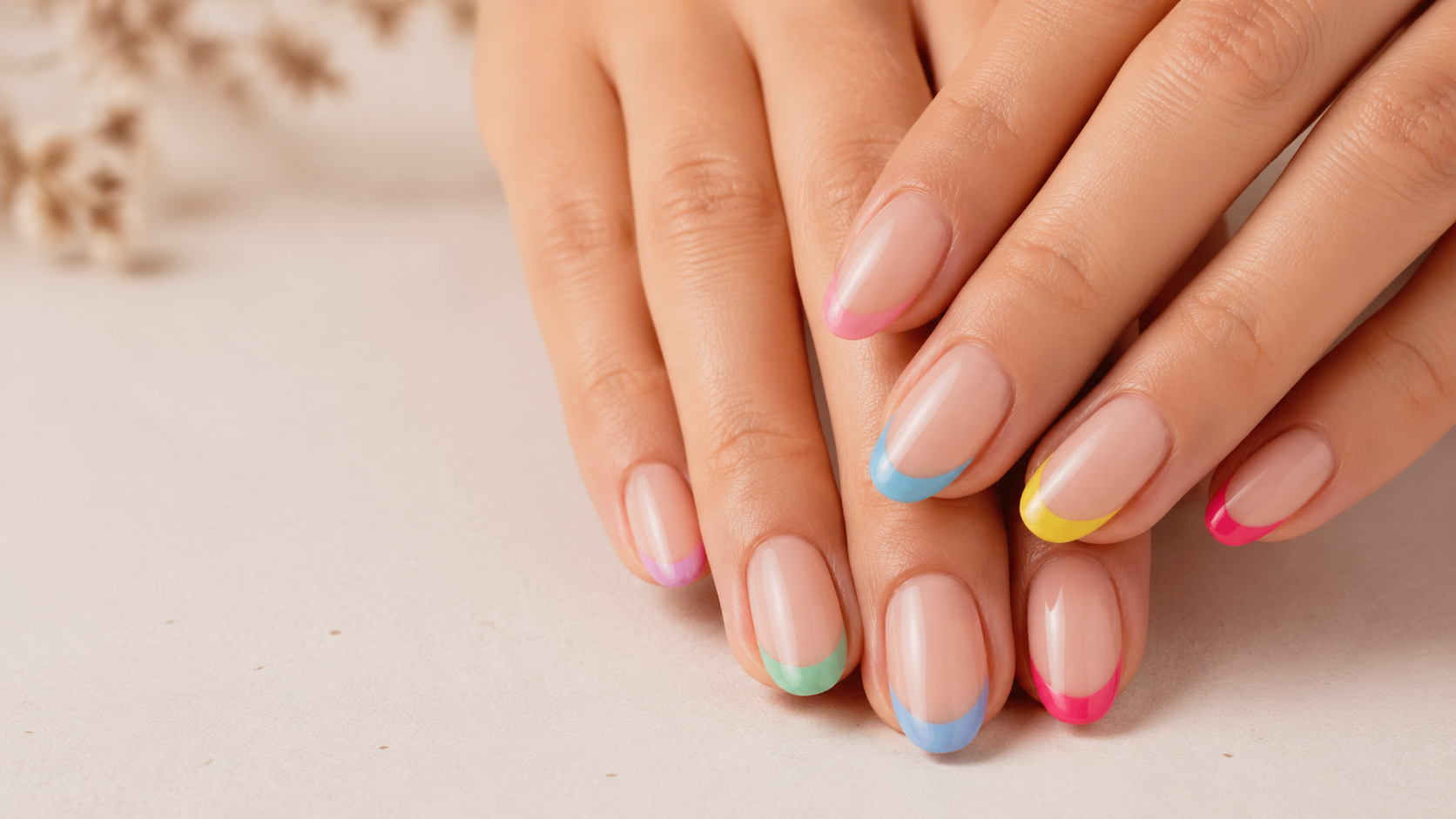
Swap out the traditional white tip for vibrant hues like red, navy, gold, or even neon. Colored tips inject personality into the classic formula, making them perfect for seasonal trends or themed events.
For fresh ideas on current color palettes, check out our nail design gallery for seasonal nail art inspiration.
3. Ombre French
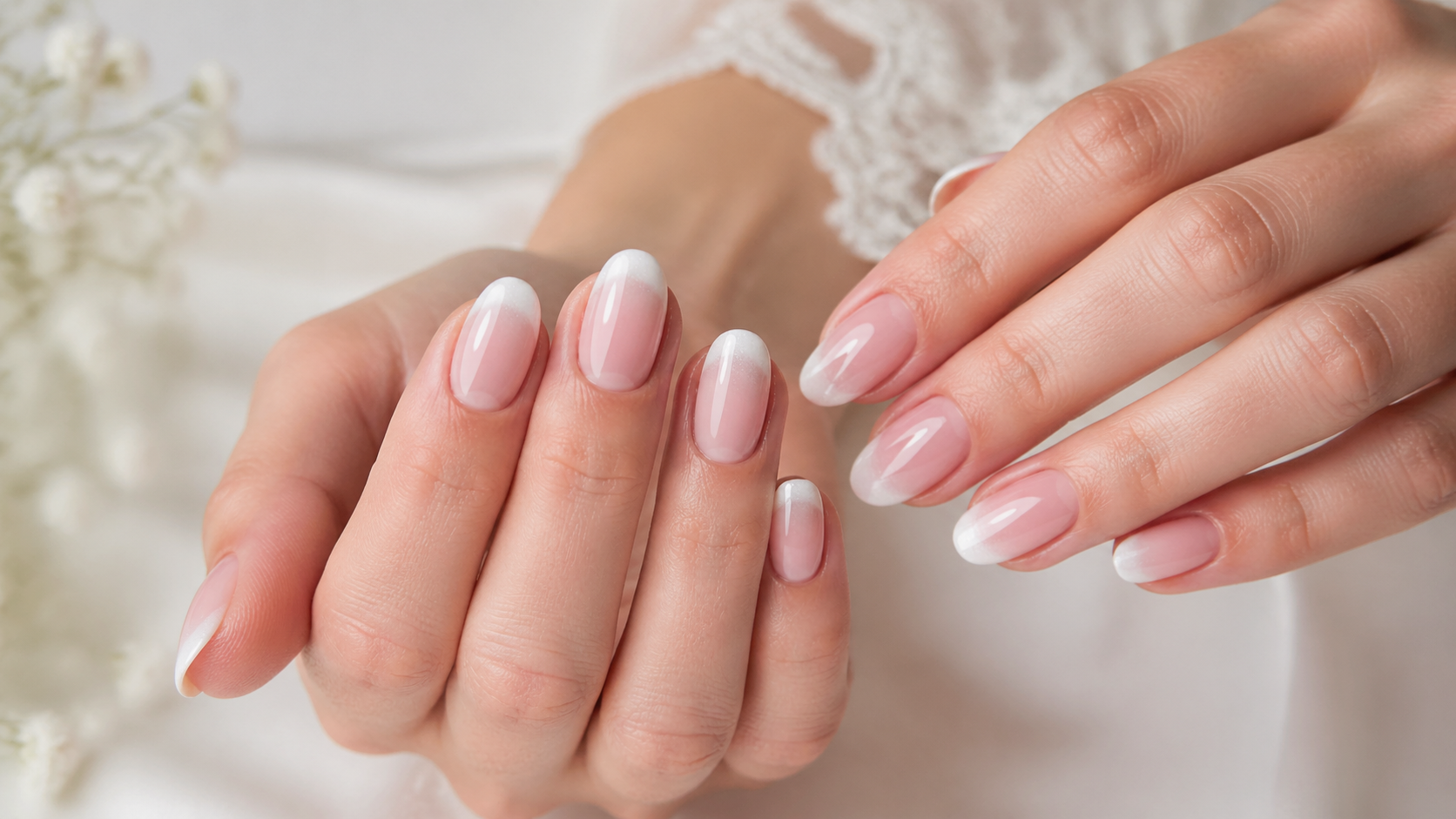
Using airbrushing or sponge techniques, ombre French nails blend two shades seamlessly—from dark to light at the tip. This gradient effect creates a soft, ethereal finish ideal for weddings or evening wear.
4. Glitter Tips
Add sparkle with glitter-infused tips. Whether it’s fine shimmer or chunky sequins, glitter elevates the French manicure into party-ready territory.
5. Abstract French
This avant-garde take breaks the symmetry of the classic tip. Think diagonal lines, uneven edges, or floating tips. It’s a favorite among fashion-forward clients who love minimalist yet edgy aesthetics.
6. Stiletto French with Accents
Pair stiletto-shaped nails with delicate details like rhinestones, micro-beads, or hand-painted florals near the tip. These accents maintain the elegance of French nails while adding luxury.
7. Negative Space French
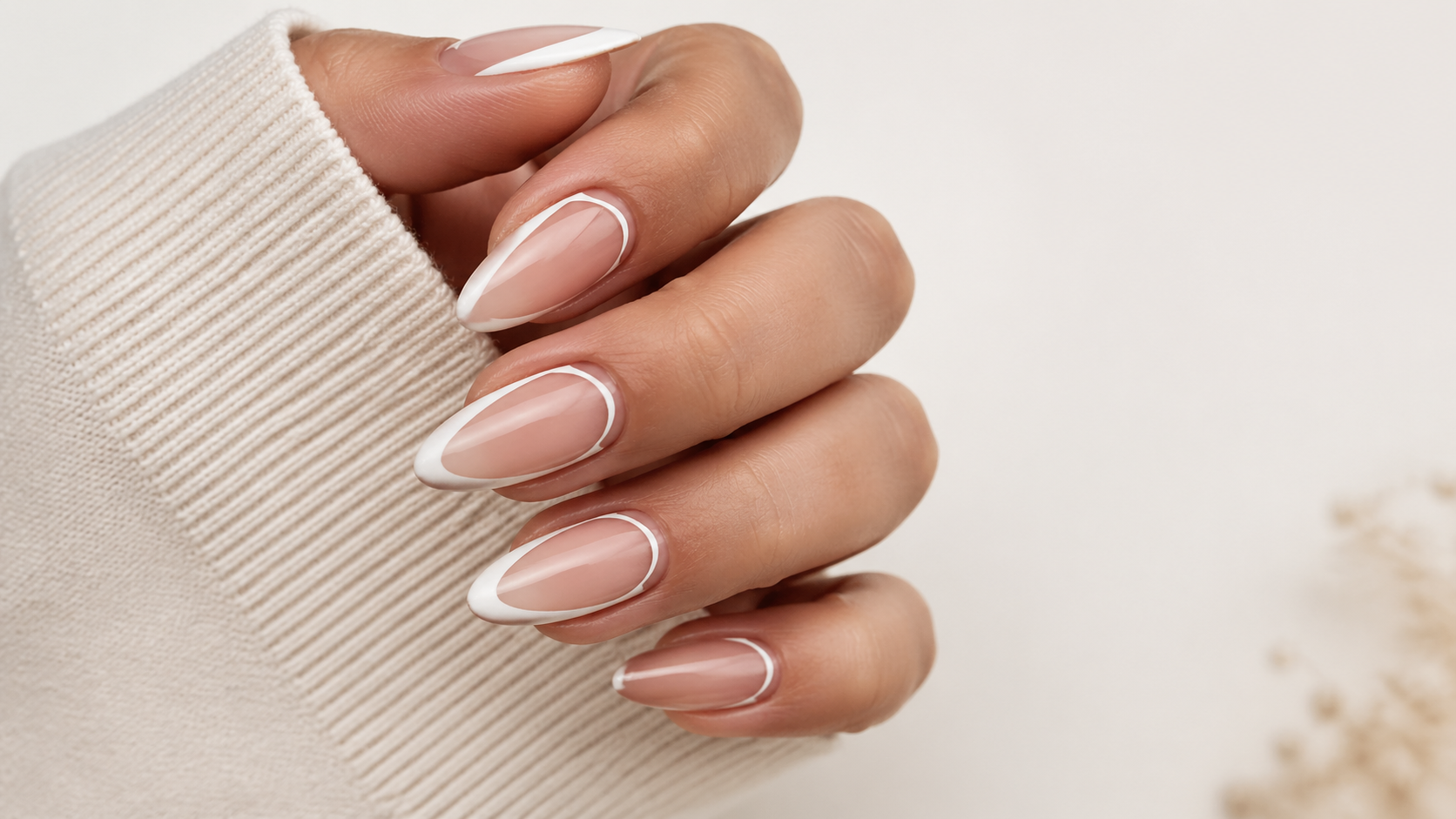
Incorporating bare nail space into the design, negative space French manicures use geometric patterns or cut-outs to highlight the natural nail. This trend blends minimalism with modern artistry.
French Nail Designs for Short Nails
Many believe that French manicures only work on long nails, but that’s a myth. With proper technique, french nail designs can beautifully enhance short nails too.
Opt for a narrow white tip or use a sheer base to keep the focus on nail health and shape. Rounded or squoval shapes often work best, giving the illusion of length. For practical tips and visual guides, explore tutorials on French tips for short nails, which offer step-by-step advice tailored to petite nail beds.
Shorter versions of the French manicure are also low-maintenance and resistant to chipping—perfect for active lifestyles or those new to nail care routines.
Seasonal Trends in French Nail Art
Just like fashion, french nail art evolves with the seasons. Designers adapt colors, finishes, and embellishments to reflect seasonal moods.
Spring
Pastel bases with soft lavender, mint green, or baby blue tips bring freshness. Floral micropaintings or tiny pearls add a whimsical touch.
Summer
Bright coral, sunshine yellow, or tropical turquoise tips make a splash. Pair with matte finishes or chrome powders for a beachy vibe. Stay ahead of the curve by exploring predicted summer nail trends 2025, where innovative French-inspired styles are already emerging.
Fall
Rich burgundy, chocolate brown, or burnt orange tips exude warmth. Matte topcoats and metallic accents create depth and texture.
Winter
Go festive with silver, gold, or holographic tips. Snowflake decals or minimalist line art near the tip capture holiday spirit without being over-the-top.
DIY vs. Salon: Creating Your Own French Nail Design
Creating a flawless french nail design at home can be challenging due to the precision required. However, with practice and the right tools, it’s absolutely achievable.
Tools You’ll Need:
- Base and top coat
- Nude or sheer polish
- White (or colored) polish
- Angled brush or striping tape
- Nail guide stickers (optional)
- Steady hand and good lighting
Step-by-Step Guide:
- Prep your nails: File, buff, and push back cuticles.
- Apply base coat and let dry.
- Paint a sheer or nude base across all nails.
- Use striping tape or a stencil to outline the tip.
- Carefully fill in the tip with white or colored polish.
- Remove tape/stencil once semi-dry.
- Seal with a glossy or matte top coat.
For those who prefer professional results without salon visits, digital tools can help visualize outcomes. Try using an AI nail design generator to experiment with different French styles virtually before committing to paint.
Caring for Your French Manicure
To extend the life of your french nail art, follow these care tips:
- Moisturize hands and cuticles daily to prevent peeling.
- Wear gloves when cleaning or doing dishes.
- Reapply top coat every 2–3 days to prevent chipping.
- Avoid using nails as tools (e.g., opening cans or texting aggressively).
With proper maintenance, a gel French manicure can last up to three weeks.
French Nail Design in Pop Culture
From Audrey Hepburn’s timeless elegance to modern icons like Meghan Markle and Hailey Bieber, french nail designs have graced red carpets and royal events alike. Celebrities often opt for a "natural glam" version—slightly thicker tips, almond shapes, and high-shine finishes—that elevate their overall aesthetic.
Fashion runways also continue to feature French-inspired manicures, proving that simplicity paired with precision never goes out of style.
How to Choose the Right French Style for You
Selecting the perfect french nail art depends on several factors:
- Lifestyle: Office workers might prefer neutral tones; creatives may enjoy bold colors.
- Nail Shape: Almond and coffin shapes suit dramatic tips; rounded shapes favor subtlety.
- Skin Tone: Warmer undertones pair well with cream or blush tips; cooler tones shine with stark white or icy pastels.
- Occasion: Weddings call for soft elegance; parties invite sparkle and color.
Experimentation is key. Don’t hesitate to mix elements—try a classic base with a glitter tip or a reverse French with metallic accents.
Final Thoughts: The Enduring Allure of French Nail Designs
The beauty of french nail designs lies in their balance—between simplicity and sophistication, tradition and innovation. Whether you stick to the original formula or explore daring reinterpretations, one thing is certain: the French manicure is here to stay.
As nail technology advances and creative boundaries expand, we’ll likely see even more exciting evolutions of french nail art. Yet, at its core, this iconic style will always represent clarity, confidence, and class.
For ongoing inspiration, visit our nail art blog, where we regularly feature new takes on classic styles and spotlight upcoming trends in the world of manicures.
Embrace the legacy. Redefine the look. Make your next french nail design uniquely yours.
Related nail design categories
Continue from this article into prompt presets and hand photo try-on templates.
Related Posts
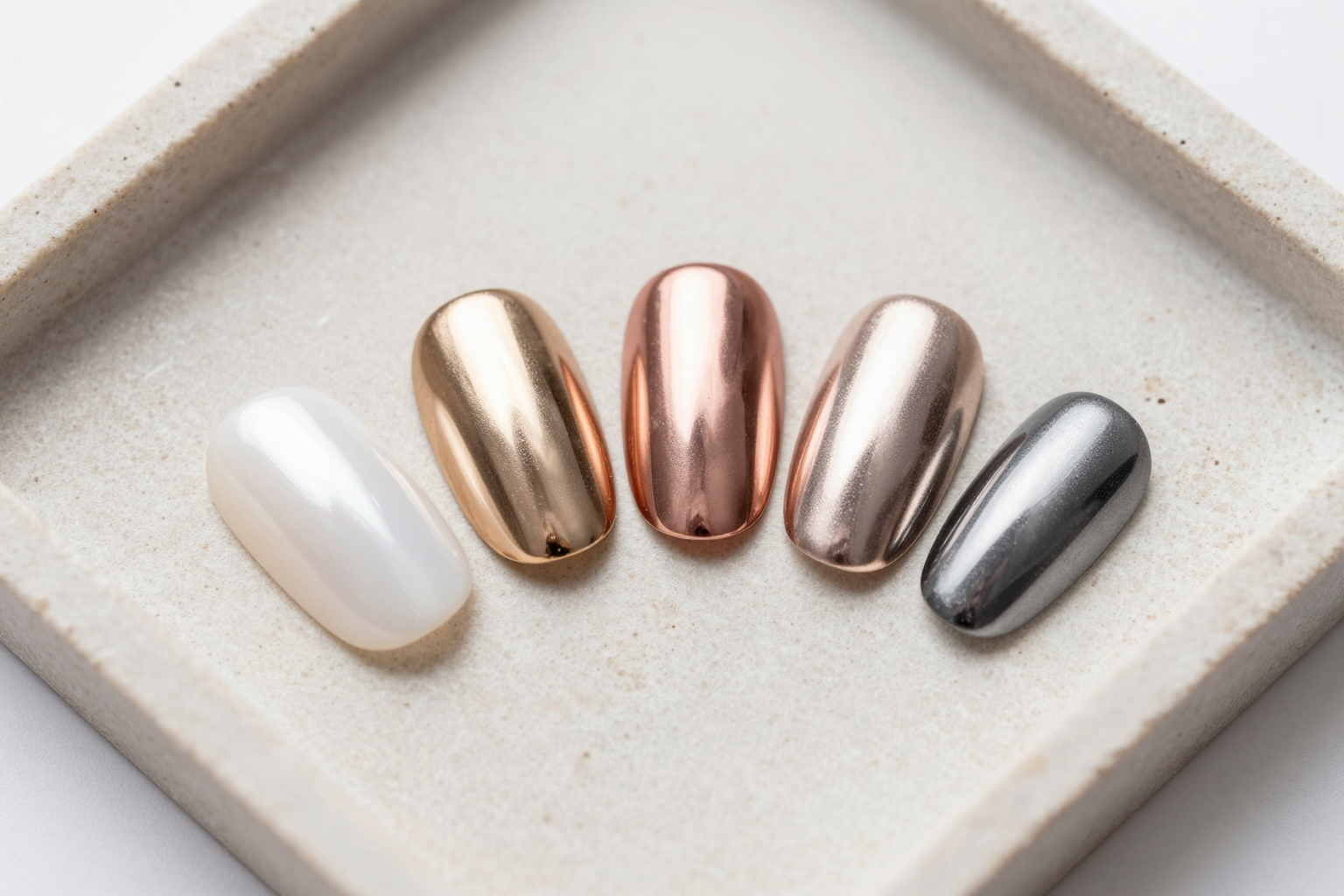
Chrome Nail Ideas 2026: Mirror Shine Looks for Short and Long Nails
The best chrome manicures in 2026 balance reflective shine with softer shapes, edited color choices, and cleaner styling. Think mirror silver, pearl glaze, champagne chrome, rosy metallics, and short-nail-friendly shine.
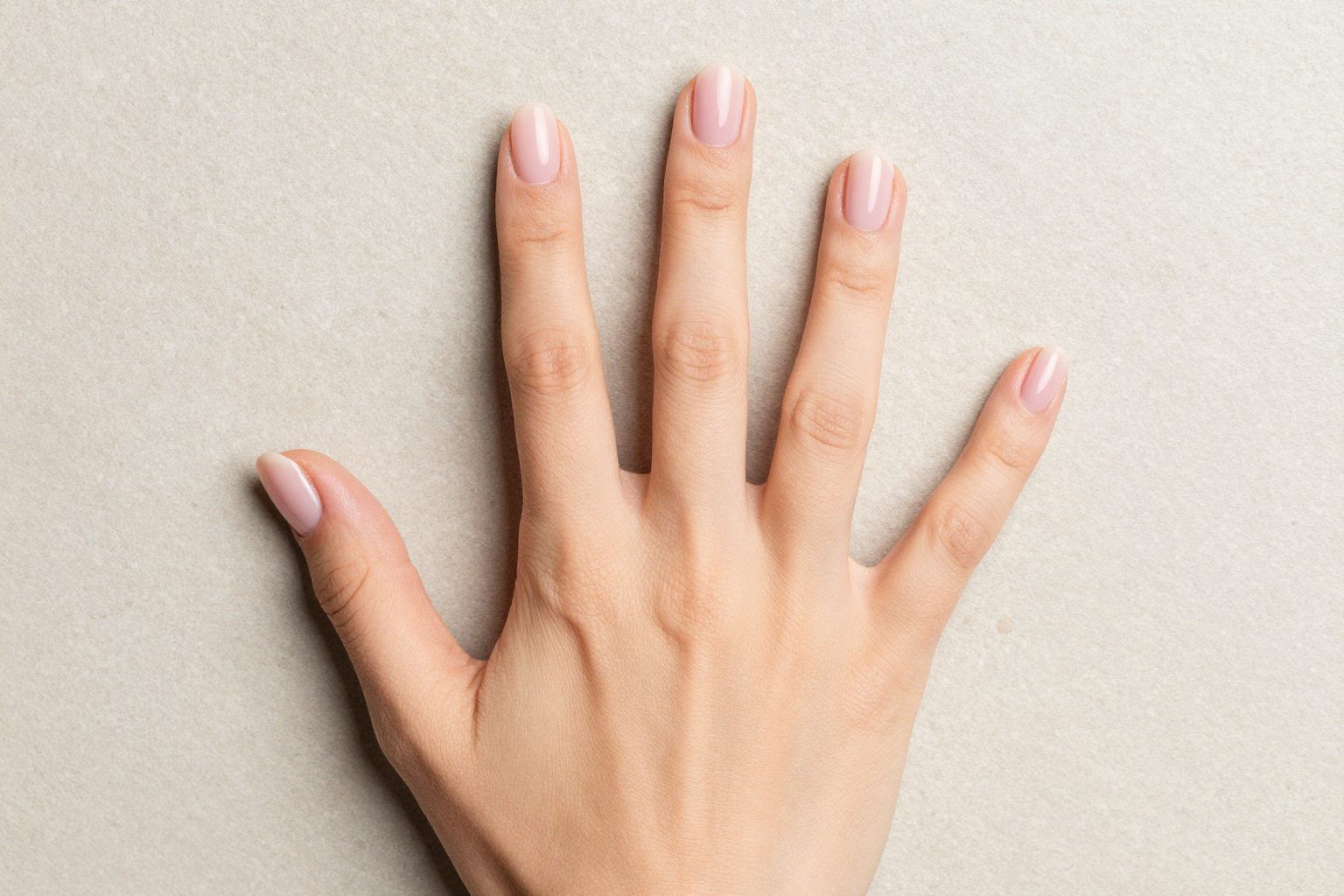
Minimalist Nail Ideas for 2026: Clean Looks That Still Stand Out
The best minimalist nail ideas for 2026 do not look boring. They use clean color, refined shine, and tiny design details to make short or medium nails feel polished, modern, and easy to wear.
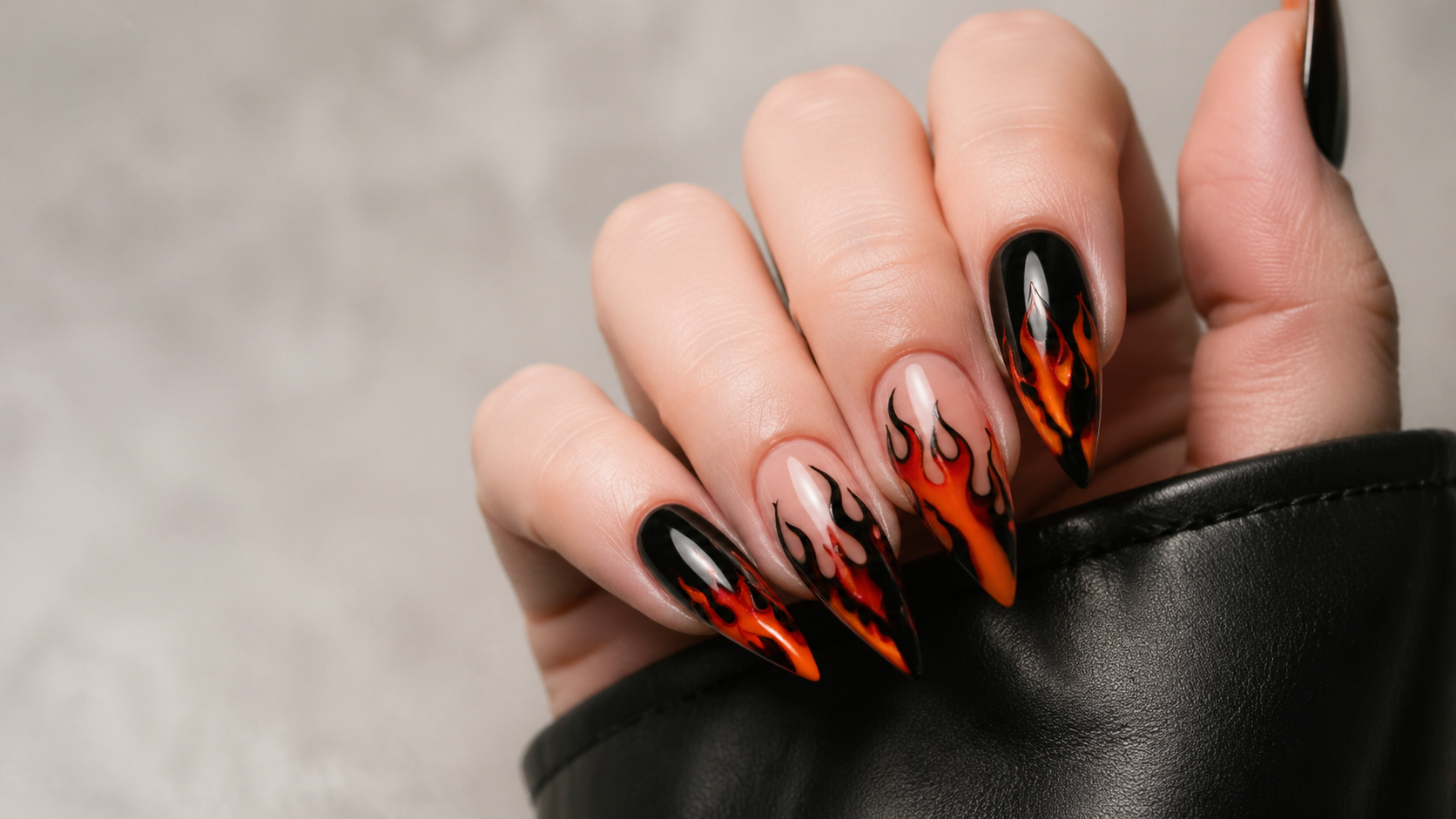
Flame Nail Art: Ignite Your Style with Bold Flame Nail Designs
Discover the fiery world of flame nail art. Learn how to create stunning flame nail designs, explore trending styles, and get inspired by bold, creative ideas for your next manicure.